The Best Time to Visit Morocco
You could visit Morocco a dozen times and experience a different country with each vacation. Morocco offers dramatically different tourist experiences, depending on the month and season when you visit. Most tourists choose to visit Morocco during the spring as it offers the best weather, but the winter months are the perfect time for budget travel and exploring the mountain regions. There’s no “perfect” time to visit Morocco, but there is a “best” time to suit your travel style and priorities.
Below, we’re sharing our insights on the best time to visit for your dream Morocco itinerary, what weather to expect in Morocco, and our top seasonal advice.
Morocco’s Seasons at a Glance
Morocco has the Mediterranean to the north and the Atlantic along some of its coastline, offering everything from scorching desert to snow-capped mountains. With its four-season climate, March to May is generally considered the best time to visit Morocco to experience the country while the rainfall is low, and the temperatures are more comfortable.
Season | Months | Best For | What to Know |
Spring | March to May | Sightseeing, including hiking and desert tours | Offers best weather for visiting Morocco, especially for outdoor activities. Minimal rainfall with clear skies. |
Summer | June to August | Surfing and visiting coastal areas | Cities further inland become extremely hot in summer |
Autumn | September to November | Desert trips and nature photography | Warmer days with fewer tourist crowds. Harvest season with more tolerable temperatures for most tourists. |
Winter | December to February | Budget travel and exploring mountain regions | Cold desert nights |
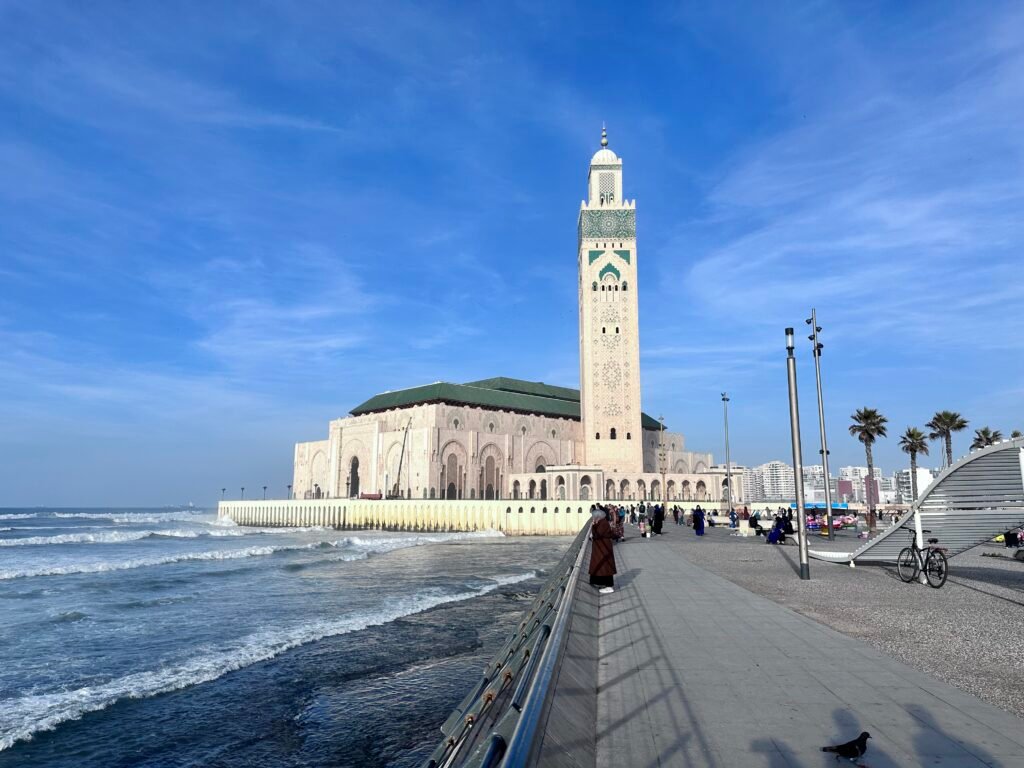
We recommend choosing your ideal travel itinerary for Morocco and then booking during the best months for those activities. While a Casablanca itinerary will work year-round, you’ll experience peak tourist season in the summer and get treated to better hotel rates in the winter.
When is the Best Time to Visit Morocco?
Although it’s hard to determine the “best” time to visit Morocco, most tourists will visit during the spring months of March to May or in autumn from September to November. These seasons include the shoulder months of either side of the summer, where you can enjoy smaller crowds and more comfortable temperatures.
If you’re planning an itinerary full of sightseeing, you may prefer to avoid the hotter summer months. Alternatively, if your dream vacation involves relaxing at Agadir Beach or catching the waves at Essaouira Beach, you might prefer to visit during the summer.
The different regions of Morocco also have their own peak seasons. Marrakech is busiest in the spring when the orange blossoms are in full bloom. By comparison, autumn is a popular time for visiting Fes, especially if you want to take a desert excursion to the Sahara through the Middle Atlas Mountains.
Morocco Weather by Region
At Inner Morocco, we offer tailor-made itineraries and specialist tours that show you the best of what the country has to offer. We’ll guide you through the remote Berber villages or take you on a grand tour from the dunes of the Sahara to the vibrant streets of Marrakech.
One of the most important things to know before visiting Morocco is how the weather can vary between the regions. Below, we’re exploring what you can expect from the Moroccan weather in six of the most popular tourist regions.
Marrakech Weather: Best Months for Exploring the Red City
You can expect Marrakech’s weather to hit its highest temperatures in the summer. By midday, you’ll want to head indoors and enjoy a slower afternoon after a morning of sightseeing before the heat rises.
These temperatures can make it harder to plan a cohesive itinerary, especially if you’re only in the city for a few days. It’s best to take advantage of the cooler temperatures in the morning to tick off any outdoor activities in your schedule.
If you struggle with hotter temperatures, the shoulder seasons of spring and autumn are the best months for exploring Marrakech. July and August see average daily temperatures of 30°C/86°F. By comparison, May and October have daily temperatures that are closer to 23°C/73°F.
Fes Weather: Cooler Winters, Hot Summers & Cultural Travel
Fes weather sees more moderate temperatures throughout the year. August is typically the hottest month, with January being the coldest. November to April covers the rainy season in Fes, although you’re unlikely to see rain every day during a winter vacation in Morocco.
With its bustling souks and tourist attractions like Bab Bou Jeloud and the Al-Attarine Madrasa, Fes is best experienced in spring or autumn if you want to take part in a walking tour.
Fes offers an intricate maze of cultural immersion, giving you a chance to experience Morocco’s history, cuisine, and ancestral traditions. The cooler winters are the perfect opportunity to explore Fez on foot, with tourist attractions like the Dar Batha Museum providing both indoor and outdoor experiences.
Chefchaouen Weather: Best Time to Visit Morocco’s Blue City
Chefchaouen is where you’ll want to visit in Morocco if you prefer to take things a little slower. It’s a great alternative to Marrakech for a honeymoon itinerary with a mountain climate that brings misty winters and summer temperatures of up to 30°C/86°F.
Nicknamed the “Blue City”, Chefchaouen is a small city in the Rif Mountains that is a popular spot for photography enthusiasts and weekend getaways. One of the prettiest places in Morocco, the city’s artistic personality is everywhere you look, attracting backpackers, couples, and travellers searching for a wellness escape.
You can expect rain in winter and early spring, but you’ll be able to explore the city without the overcrowding you’ll see in the summer months. May is our top recommendation if you want to visit Morocco in the spring.
Sahara Desert Weather: What Travellers Should Really Expect
When you think of the Sahara Desert weather, it’s easy to immediately picture a dry climate with uncomfortably hot temperatures. While this is true for summer desert tours, desert nights surprise most first-time tourists to Morocco.
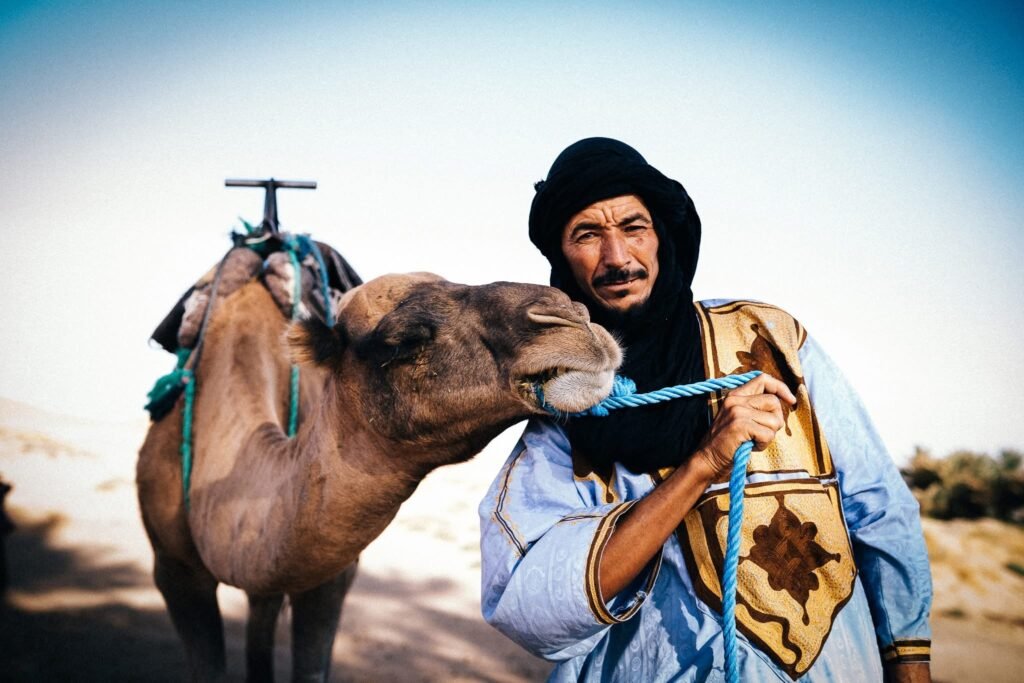
You can expect to experience high temperature swings from day to night, even during the summer. Temperatures will usually drop after sunset, which is worth considering if you’re planning a camel trek or an overnight stay under the stars in a nomad tent. Winter offers the best viewing opportunities for stargazing, but it’s also when you can expect the lowest temperatures.
Atlas Mountains Weather: Hiking, Snow & Seasonal Beauty
The Atlas Mountains are the top destination in Morocco if you’re planning an adrenaline-fuelled vacation. This region has an elevation-driven climate, so it’s warm and dry at the base, while you can expect snow and freezing temperatures at the highest peaks.
Spring is when this snow will start to melt, making March to May the best time to go hiking in Morocco. Alternatively, the summer months are also suitable for exploring the Atlas Mountains as the peaks will see cooler temperatures than the valleys.
At Inner Morocco, we offer adventure tours that include visits to the Berber villages. These villages offer immersive mountain scenery and a chance to discover the indigenous culture with a local guide, while sampling traditional cuisine like Tagine.
Coastal Morocco: Essaouira, Agadir & Atlantic Escapes
Morocco’s unique coastline covers both the Atlantic with its cooler ocean breezes and the Mediterranean with its port cities and Rif Mountains. These regions are a great option if you’re visiting Morocco in summer, with plenty of all-inclusive resorts and calm waters for swimming and boating.
Essaouira is a great option if you’re a fan of fresh seafood and want to spend your days exploring a bohemian coastal town with some of the best surfing conditions in Morocco. Nicknamed the “Wind City of Africa”, Essaouira is recognised as a UNESCO World Heritage site and is less than 3 hours from Marrakech.
Spring vs Autumn in Morocco | Which Season Is Better?
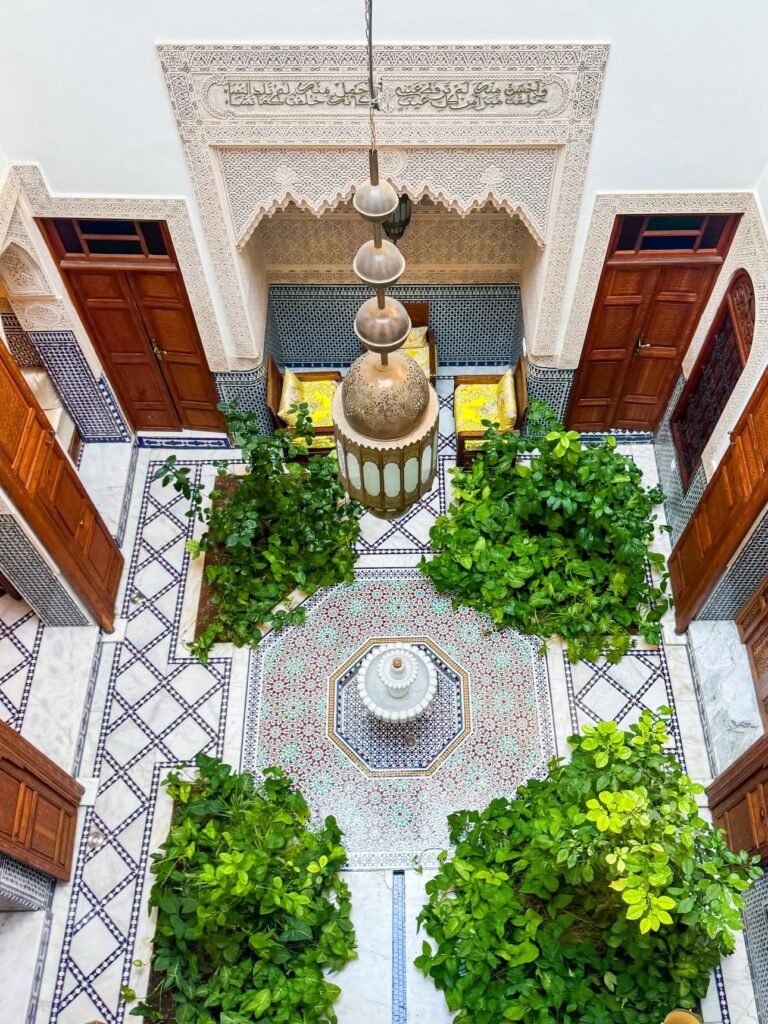
If you’re not able to travel in the summer – or you want to avoid the high temperatures – you may be debating between visiting Morocco in spring or autumn. These shoulder seasons often give you the best of both worlds with pleasant weather and fewer tourist crowds. We’re comparing these Morocco travel seasons to help you find the right one for your vacation.
Why Spring is Morocco’s Most Popular Season
Morocco is famous for its architecture, heritage, and culinary scene that shows the influence of Arab, Berber, and European cultures. Although its historic old towns – known as “medinas” – are likely to earn a spot on your travel itinerary, some of the best parts of Morocco can be found in the countryside.
Spring is the most popular season in Morocco for tourists who want to explore the great outdoors, away from the imperial cities of Marrakech and Fes. More experienced hikers can try the high-altitude trek to Mount Toubkal, while the “Happy Valley” of Aït Bouguemez is a multi-day trek through the Berber villages that allow you to become one with the lush nature around you.
Why Many Visitors to Morocco Prefer Autumn
Autumn is a great alternative if you want to visit Morocco, especially the Sahara or southern Morocco. You can still enjoy warmer ocean temperatures, especially in September. Our photography tours are popular in autumn, as it’s when you’ll get some of the best golden hour lighting in the desert.
Visiting Morocco in Summer: What You Need to Know
Morocco in summer can feel overwhelming, especially if you’re not used to higher temperatures. Weather conditions will vary depending on the region, with places like Essaouira, Agadir, and Tangier offering more favourable conditions. Summer is generally a harder time to navigate the Sahara, Marrakech, and Fes, especially if you’re planning a shorter trip.
You can navigate summer in Morocco by planning to do most of your activities early in the morning and opting for a slower itinerary. Consider adding coastal destinations like Essaouira to your itinerary and look for riads with private pools.
Visiting Morocco in Winter: Fewer Crowds & Beautiful Natural Landscapes
Morocco in winter is an underrated time to visit. While you’ll see snow on the mountains and feel a little cold in the evenings, the crisp desert mornings are perfect for exploring.
The milder sunny days often bring rain in northern Morocco, with desert temperatures also dropping, making treks and camel rides more accessible for visitors from colder climates. Fewer crowds means that you’ll often get a more cosy and homely atmosphere at the riads, even in busy cities like Marrakech and Chefchaouen.
Best Time for Specific Experiences in Morocco
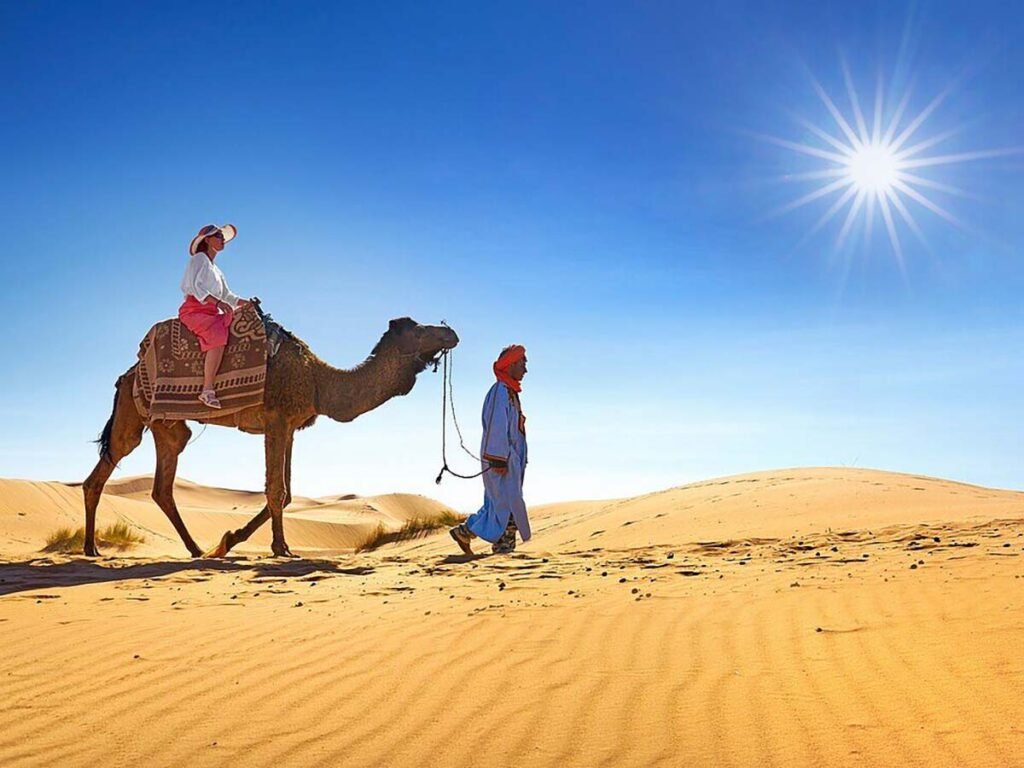
You might be visiting Morocco with a special goal of ticking something off your bucket list, whether it’s riding a camel through the Sahara or catching the waves at Taghazout. Below, we’re suggesting the best time to visit Morocco for certain activities.
Best Time for Sahara Desert Tours
The Sahara Desert could fill an entire travel itinerary with its luxury camps, stargazing, and camel trekking. October to November and March to May are considered the best times for Sahara Desert tours. Although you’ll want to bring thermal layers in winter, late spring can also bring sandstorms.
Best Time for Surfing in Morocco
If you’re an advanced surfer, you’ll already know that Morocco offers the best surfing conditions in Africa. The Magic Bay of Imsouane has some of the longest waves, while Taghazout and Tamraght are the surfing capitals of Morocco. If you’re chasing the largest swells, you’ll find these in Safi during December to February.
Best Time for Hiking & Atlas Mountain Treks
There are two main trekking seasons in Morocco, especially if you’re planning to climb Mount Toubkal. April to May and September to October give the best weather with clear trails, making routes more accessible to intermediate hikers.
Best Time for Nature Photography in Morocco
The Moroccan travel seasons offer something different for nature photographers. Spring allows you to see Morocco’s greenery in bloom, while autumn paints the desert in a golden light. You’ll capture the beautiful contrast of the mountains in winter, but it’s hard to resist catching “blue hour” in Chefchaouen during summer.
Best Time for Festivals & Cultural Experiences
Ramadan is the main cultural celebration in Morocco. The holy month of fasting typically takes place at the start of the year, with the date changing annually. If you’re interested in Moroccan culture, it’s worth visiting during the Fes Festival of Sufi Culture in April or the Erfoud Date Festival in October.
Peak Season vs Budget Season in Morocco
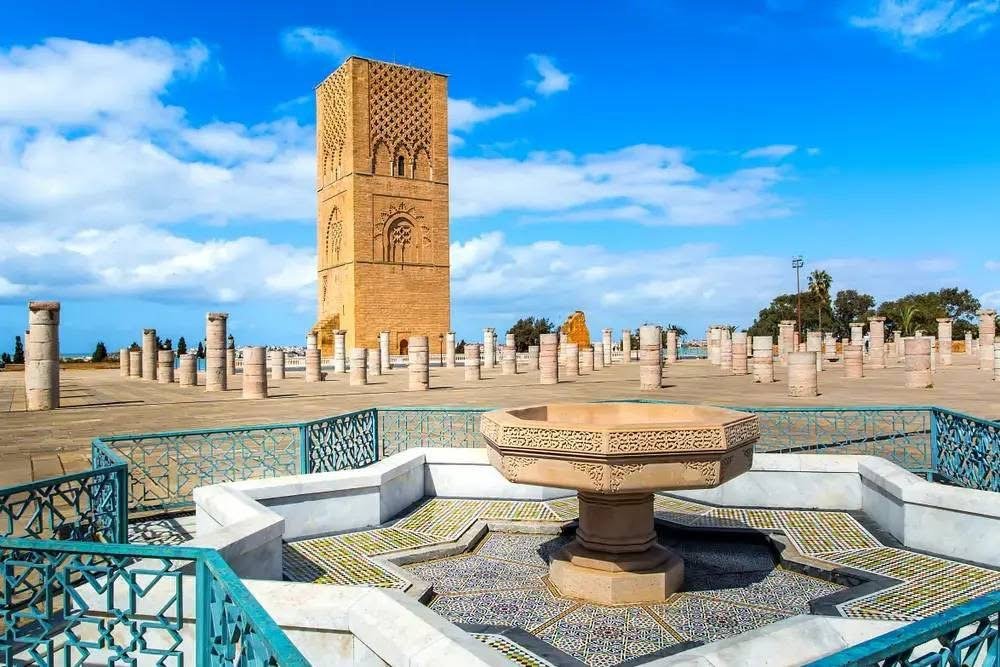
The peak travel season in Morocco includes April, May, September, and October. Christmas and New Year also fall into the high peak category, so you can expect more demand for desert camps and higher riad prices. If you’re looking to get more for your money in Morocco, head to the coast during the summer or consider a winter vacation. Alternatively, you can take advantage of the shoulder seasons.
Common Mistakes Travellers Make When Choosing Morocco Travel Dates
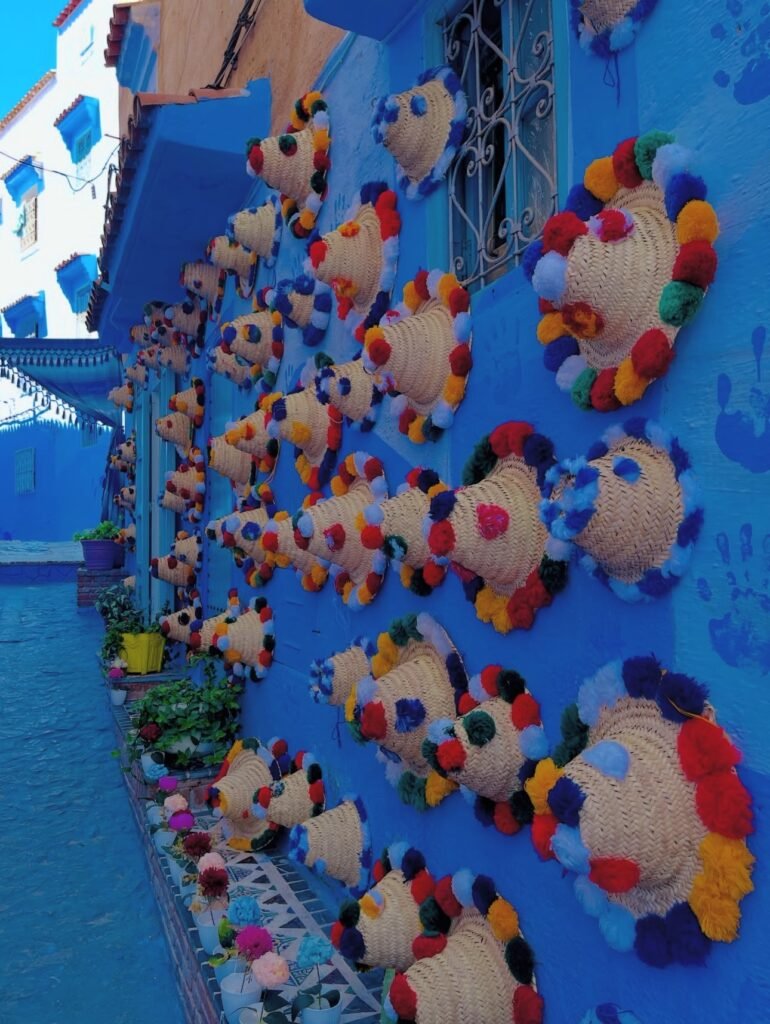
Do your research and pack appropriately before visiting Morocco. First-time visitors often make the mistake of underestimating the summer heat, especially in Marrakech and Fes, while assuming the Sahara stays hot at night.
You won’t be able to see all of Morocco at once, so it’s best to take a slower approach and focus on one region at a time. Don’t assume that all regions have the same climate, and book early if you’re visiting during peak season. Desert camps can sell out months in advance.
Visit Morocco in 2026 and Beyond with Inner Morocco
Morocco rewards the travellers who visit its shores in every season, from the beauty of the coastlines in summer to the tranquillity of the snow-peaked mountains in winter. Every season in Morocco offers something unique, whether you want to catch an Atlantic summer sunset or listen to the silence of the desert in winter.
If Morocco has captured your imagination, contact our team to learn more about our private tours or book a customised itinerary for a one-of-a-kind adventure.
Customized Travel Experiences Just for You
- Create your dream getaway with us! Whether you prefer luxurious five-star hotels or charming boutique stays, we have the perfect options for you.
- You can design your itinerary with various activities, from iconic highlights to hidden gems, ensuring your journey reflects your interests. Enjoy the freedom of exploring at your own pace with no fixed schedules.
- Whether you’re celebrating a special occasion or embarking on a personal adventure, we’ll collaborate with you to curate a truly memorable trip.