Sahara Desert Morocco Guide: What to Expect, Best Places, and Desert Tours
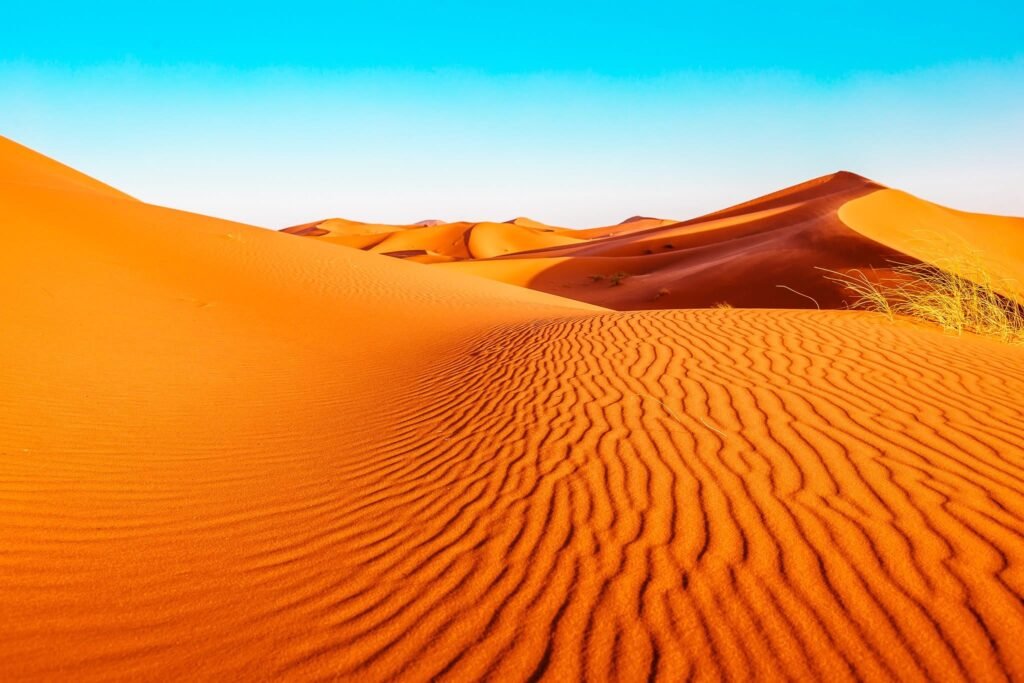
Imagine this: you’re riding a camel through golden sand dunes stretching endlessly toward the horizon, their waves shifting gently with the desert breeze. As the sun begins to set, the sky turns fiery shades of orange and red before slowly fading into a blanket of stars. Welcome to the Sahara! For many travelers, visiting the Sahara Desert in Morocco is one of the highlights of a trip to the country and an experience they’ll remember for the rest of their lives. Now, a trip to the Sahara is exciting, but planning a desert adventure isn’t always as straightforward as it seems. Should you visit Merzouga or Zagora? How many days do you actually need? Are camel rides included? And what is sleeping in a desert camp really like?
These are questions we often get at Inner Morocco. And with so many Sahara Desert Morocco tours available, choosing the right experience can feel overwhelming. Some trips focus on quick overnight adventures, while others offer deeper journeys into remote dunes and traditional Berber culture. So to help you make an informed decision, we’ve put together this guide, which covers everything you need to know before heading into Morocco’s Sahara: where to go, what a desert tour includes, how long to stay, the best time to visit, what to pack, and the common mistakes travelers often make when planning their trip.
Traveling to the Sahara Desert in Morocco: What to expect
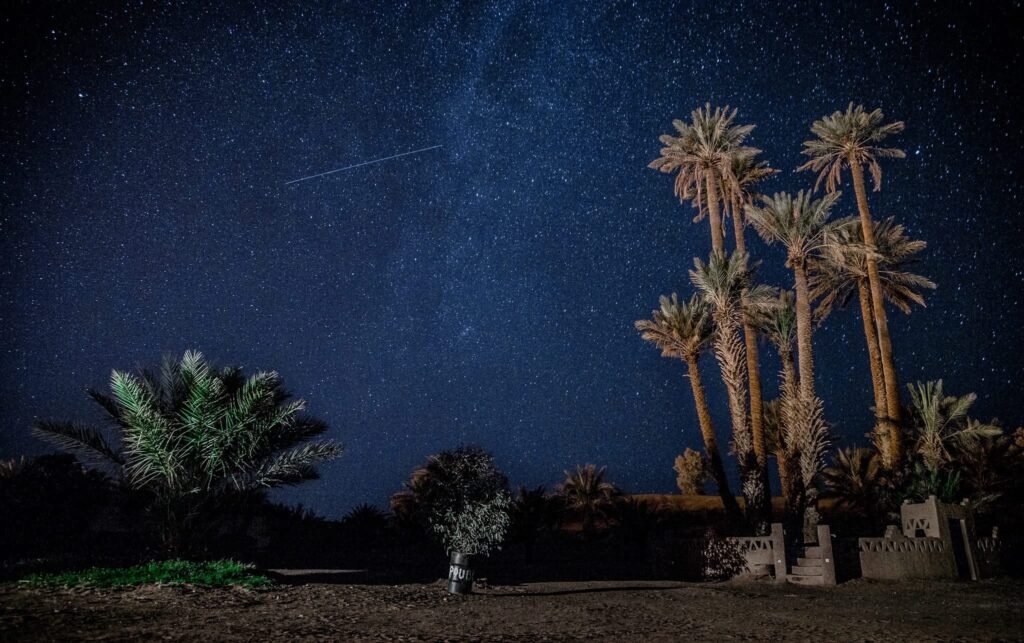
When we talk to clients, the image many have of the Sahara is one of complete isolation, endless dunes with nothing around for miles. And while parts of Morocco’s Sahara certainly feel like this, many desert tours actually pass through a variety of landscapes, making the journey a bit more diverse than expected. In some areas, especially after rainfall, the desert can even appear quite green (semi-arid), with patches of vegetation and seasonal wildflowers transforming the landscape for a few days or weeks. Now, most desert experiences begin with a long but scenic drive from cities like Marrakech or Fes. The journey itself is part of the adventure, taking you through winding mountain roads, ancient kasbahs, palm-filled valleys, and small villages before the landscape slowly changes and the dunes appear on the horizon. Once in the desert, you’ll notice that during the day, the light is really sharp, and the colours keep shifting as the sun moves across the sky. But as night falls, the temperature drops quickly, and with no city lights anywhere nearby, the sky suddenly opens up in a way most people don’t expect. It becomes this massive blanket of stars stretching endlessly overhead. On clear nights, you can even see the Milky Way with your own eyes, glowing across the sky above the dunes!
Best Places to Visit: Merzouga vs Zagora vs Chegaga
Not all Morocco desert experiences are the same. And naturally, the best thing to do is to choose your location based on your preferences and travel goals. Below, we share some information about the three most popular destinations: Merzouga, Zagora, and Chegaga, and what makes each one different to help you make an informed decision.
Merzouga (Erg Chebbi)
Merzouga is well-known for the massive golden dunes of Erg Chebbi, which are some of the tallest and most incredible sand dunes you’ll find in Morocco. This is the classic Sahara landscape many travelers imagine when picturing a Sahara Desert experience in Morocco; endless rolling waves of sand that make for beautiful sunrises and sunsets. It’s also one of the top places in Morocco for camel trekking and overnight desert camps, where visitors ride into the dunes and spend the night under a sky full of stars. Thanks to both its beautiful scenery and relatively easy access, Merzouga is a highlight on many Morocco desert tours.
Best for:
- First-time visitors wanting to experience the classic Sahara Desert scenery
- Travelers with a higher budget looking for comfortable camps and guided experiences
- Longer itineraries that allow time to reach the deeper desert areas
- Luxury desert camps with added comfort and facilities
- Families
Keep in mind that a trip from Marrakesh to Merzouga takes around 9 hours, and a trip from Fes to Merzouga takes about 8 hours.
Zagora
Zagora sits closer to Marrakech and is often included in shorter desert itineraries. The landscape around Zagora is rockier and flatter, with smaller dunes than in Merzouga. While still beautiful, if you’re expecting giant rolling sand dunes, you may be disappointed. Many tours advertise Zagora as a Sahara experience, but the scenery feels quite different from the classic post card image. If you’re looking for the typical Sahara desert experience with rolling sand dunes, Merzouga is a better option.
Best for:
- Short trips
- Travelers with limited time and budget
A trip from Marrakesh to Zagora takes about 6 hours, and from Fes to Merzouga, it takes about 5.5 hours.
Chegaga
Chegaga Chegaga, also written Erg Chigaga, is a vast dune area in southern Morocco near M’Hamid El Ghizlane. The site offers a more remote and adventurous desert experience than Zagora. The dunes here are bigger than those in Zagora but smaller than those of Merzouga, with fewer camps and fewer visitors.
Now, keep in mind that reaching Chegaga often requires off-road driving.
Best for:
- Returning Morocco visitors
- Travelers seeking fewer crowds, adventure experiences and remote landscapes
Which One Should You Choose?
If you’re looking for the iconic Sahara experience or if you travel with your family, Merzouga is usually the best option. If time is limited, Zagora works well. And if you want a quieter and more adventurous trip, Chegaga offers a more remote experience.
What Is Included in Sahara Desert Morocco tours?
Most Sahara desert Morocco tours include a range of experiences. Typical experiences often include:
Camel trekking
Many tours begin with a camel ride into the dunes in the late afternoon. This timing allows travelers to reach camp before sunset while watching the colours of the sand shift as the light changes.
Sunset and sunrise views
Watching the sun rise or set over the dunes is often one of the highlights of a trip to Morocco, based on all the feedback from our clients, and for good reason. The colours change dramatically as the light moves across the desert.
Desert camp accommodation
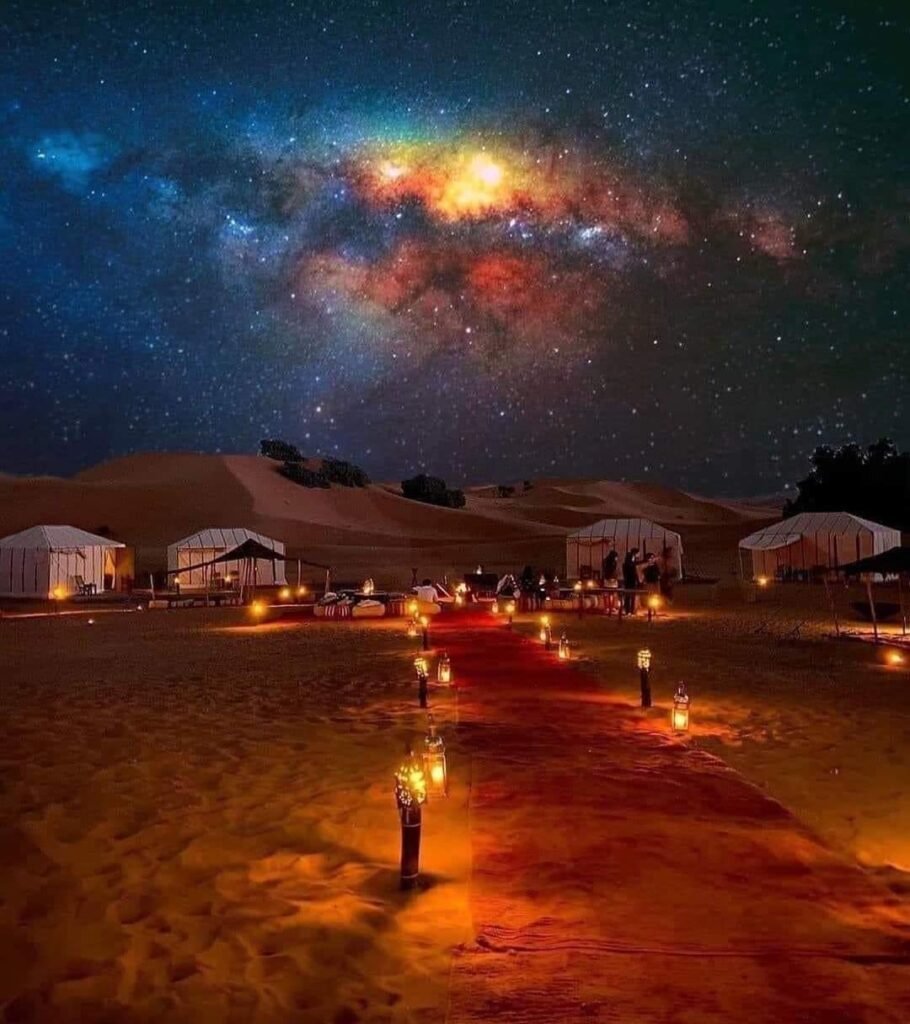
Accommodation ranges from simple traditional tents to more comfortable luxury camps with private bathrooms and proper beds.
Food
Dinner and breakfast are usually included. Meals typically feature traditional Moroccan dishes such as tagines, grilled meats, fresh salads, bread, and mint tea.
Evening music and campfires
Evenings often end around a campfire with traditional Berber drumming and music under the stars.
Optional activities
Some tours also include sandboarding, quad biking, visits to local villages, or stops at kasbahs along the route. At Inner Morocco, we offer both pre-made tours and tailor-made tours, so feel free to contact us to discuss optional activities.
How Many Days Are Ideal for your Sahara Desert Morocco Tour?
3-day desert tour
A three-day itinerary is the most common option.
This usually includes:
- Departure from Marrakech
- Stops along the route
- One night in the desert
- Return journey
It works well for travelers with limited time, but of course, it involves long driving days.
4-day experience
With four days, you’ll have more time to enjoy the desert experience without rushing. You have additional time for sightseeing, smaller villages, and more time enjoying the desert itself. Many of our clients find this top to be the ideal length.
5-day experience
Five days tour gives you more time in the dunes once you arrive, whether that’s relaxing at camp, joining extra activities, or simply enjoying the unique atmosphere and landscape without feeling like you need to move on quickly. For travelers who want more than a quick desert stop, five days often feels more immersive and more relaxed.
Best Time to Visit the Sahara Desert
Timing can dramatically affect your experience during your Sahara Desert Morocco tour.
Spring (March–May)
Spring is one of the best times to visit the Sahara Desert in Morocco. Daytime temperatures are usually around 30°C, while nights are mild and comfortable at roughly 20°C. It’s warm enough to enjoy the desert without extreme heat, making it ideal for exploring and one of the favourite times for travelers to visit!
Autumn (September–November)
Another great season to explore the Sahara, with daytime temperatures averaging 23°C and cooler nights around 12°C. The weather is stable, and conditions are generally very comfortable for desert activities.
Summer (June–August)
Summer is the most intense time of year in the Sahara, with daytime temperatures often exceeding 38°C. Nights are warmer than other seasons, averaging around 27°C, which can make evenings feel more comfortable and atmospheric under the stars. If you choose to travel during this season, it’s best to focus your activities in the early morning or late afternoon, when the light is softer, and the desert feels more manageable yet still beautifully striking.
Winter (December–February)
Winter days are naturally cooler, averaging 19°C, but the temperature at night can drop to around 5–8°C, and in some areas even lower. While the daytime conditions are good for exploring, you’ll need warm clothing for the cold desert nights.
What to Pack for your Sahara Desert Morocco tour
As mentioned above, in the desert, the days can feel hot in direct sunlight, while evenings and early mornings can be very cold, especially in winter.
Here’s what you should pack with you:
- Lightweight clothing for daytime with long sleeves to protect yourself from the sun
- Warm layers for evenings
- A jacket or fleece
- Comfortable walking shoes
- Sunglasses
- Sunscreen
- A hat
- Lip balm and moisturiser
- A scarf or buff for wind and sand
- Reusable water bottle
- Portable charger
Layers are important because temperatures can shift significantly within the same day.
Common Mistakes Travellers Make When Planning a Desert Trip
Choosing their tour based only on price
Always keep in mind that the cheapest option is not always the best. Camp quality, transport comfort, and the pace and activities included in the itinerary can vary considerably with price.
Underestimating driving distances
Morocco appears smaller on maps than it feels on the road. As mentioned above, reaching the Sahara often involves long travel days.
Expecting every desert location to look identical
As discussed in this article, Merzouga, Zagora, and Chegaga offer very different experiences.
Forgetting warm clothing
Even in warmer seasons, desert nights can become surprisingly cold with temperatures often dropping to 5–8°C.
Ready for your Morocco adventure?
At Inner Morocco, we offer both ready-made packages and tailor-made trips to the Sahara and Morocco. Whether you’re looking for a classic desert experience or a fully customised Sahara desert Morocco tour, we can help you plan the right journey for your needs.
Don’t hesitate to get in touch; we’d love to help you plan your Morocco adventure.
Customized Travel Experiences Just for You
- Create your dream getaway with us! Whether you prefer luxurious five-star hotels or charming boutique stays, we have the perfect options for you.
- You can design your itinerary with various activities, from iconic highlights to hidden gems, ensuring your journey reflects your interests. Enjoy the freedom of exploring at your own pace with no fixed schedules.
- Whether you’re celebrating a special occasion or embarking on a personal adventure, we’ll collaborate with you to curate a truly memorable trip.




1 Comment
Love how you create content that both educates and entertains your readers perfectly