Best Photos in Morocco: Sahara Desert, Chefchaouen & Marrakech
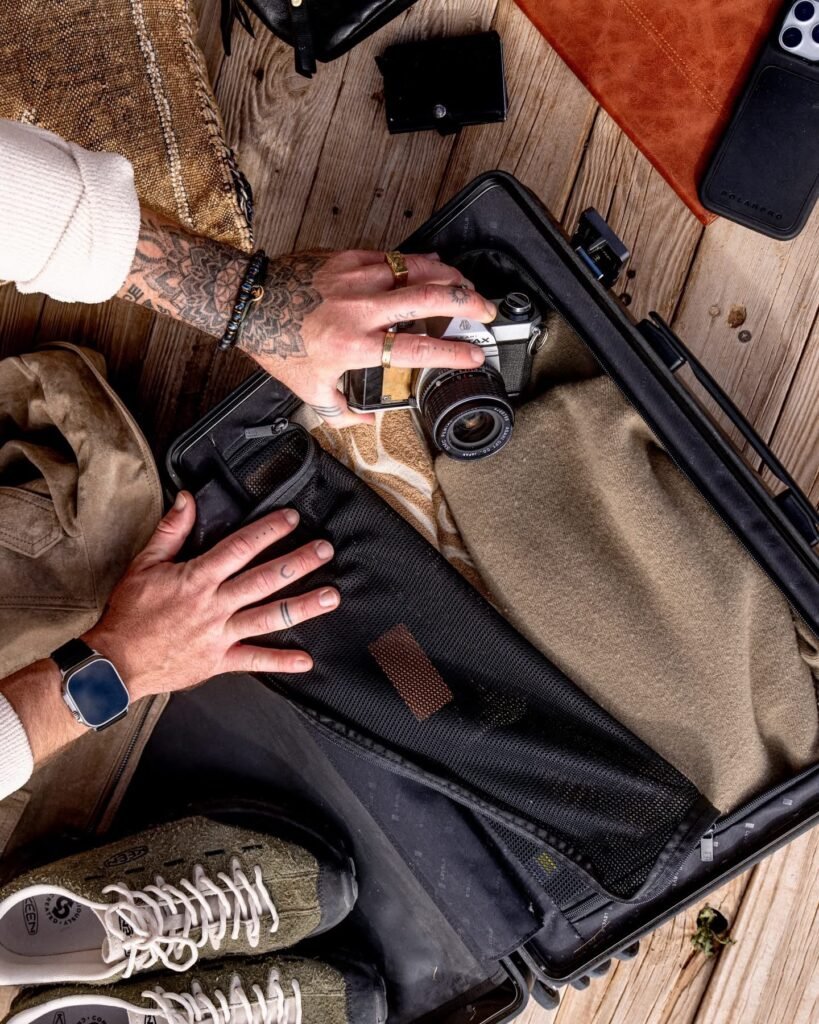
Imagine spending one morning photographing the silhouettes of the camels crossing the dunes of the Sahara, then spending the next capturing the blue-painted alleyways of Chefchaouen at golden hour. Morocco is a photographer’s playground, offering everything from coastal getaways to ancient cities and architecture worthy of an epic Hollywood blockbuster. Photography tours of Morocco are a bucket list experience for novice and professional photographers alike. Morocco is the gateway to North Africa and one of the best destinations for a first-time photography tour. You can cover a diverse range of landscapes within a single trip, from the medinas in Marrakech and Fes to the dramatic peaks of the Atlas Mountains and the natural wilderness of the Sahara. Most photography tours offer an 8-day itinerary, but Inner Morocco offers an extended 14-day itinerary for those who want to explore hidden gems, alongside some of the country’s most iconic sights. Timing, lighting, and season make all the difference during a photography tour. In this guide, we’re sharing our insider tips on planning a photography tour of Morocco and what you can expect from a guided itinerary.
Why Morocco is a Photographer’s Dream Destination
Morocco is one of the only destinations in the world where a photographer can capture imperial cities, mountain peaks, coastal towns, and the Sahara Desert within just a few days. This incredible diversity makes Morocco hard to resist, especially if you’re a photographer who wants to expand your portfolio or try something new. It’s not just the diverse landscapes that make Morocco so unique. A longer itinerary gives you the chance to see how light changes everything, from golden hour in the city to the coastal towns at sunset.
The Sahara is as awe-inspiring in the midnight moonlight as it is at sunrise, while the starry skies are also ideal for astrophotography. A 14-day itinerary gives you plenty of time to revisit locations to retake the same photographs in different lighting to capture the beauty of nature. Morocco appeals to photographers of all disciplines, from street to travel and landscape photographers, because of its seamless blend of landscapes, culture, and architecture. You can make photography the focal point of your itinerary or incorporate it alongside an adventure tour or even as part of a honeymoon vacation.
What Are The Best Photography Locations in Morocco?
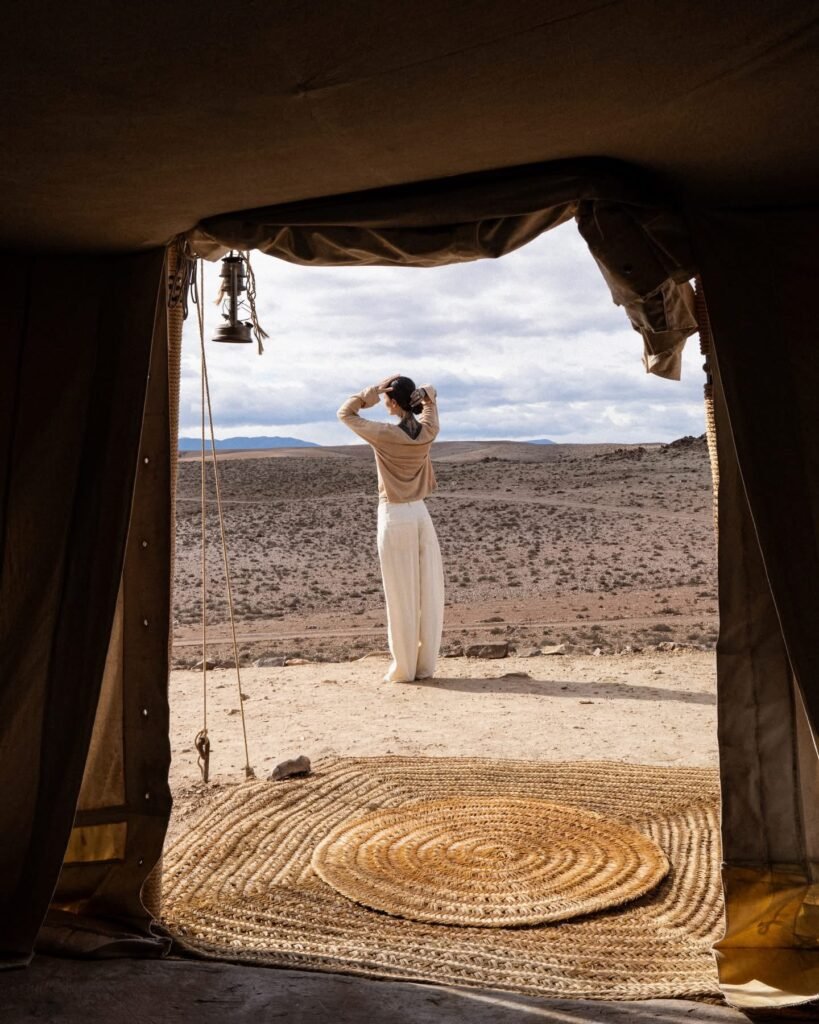
There’s no shortage of photography locations in Morocco. It’s easy to spend a month exploring everything that Morocco has to offer for photographers. Here are 10 of the best photography spots in Morocco:
- Sahara Desert: The ever-shifting light and dramatic landscape mean the Sahara Desert offers a stunning visual contrast for photographers. The perfect opportunity for experimenting with astrophotography.
- Chefchaouen: The blue-washed architecture makes it an ideal alternative to Santorini and Mykonos, and it’s ideal for candid street photography with its laid-back atmosphere and panoramic views.
- Marrakech: Its sensory-rich landscape is full of UNESCO-listed medinas and unique historical architecture. It’s an unmissable stop on every photography tour of Morocco, and a local tour guide can make it easier to capture unique photos.
- Atlas Mountains: The diverse landscapes of the Atlas Mountains make it a must-visit for nature and wildlife photographs, with its traditional Berber villages giving the area added depth. Each season offers something different for photographers to capture.
- Ait Ben Haddou: This UNESCO World Heritage site is the perfect way to explore how light and shadow play together, especially during golden hour. This epic landscape is ideal for panoramic shots, the same backdrop that has appeared in iconic films and television shows, including Gladiator and Game of Thrones.
- Fes Medina: Fes is the world’s largest car-free urban space, but also serves as a time capsule of the medieval era. Its maze-like streets are a treat for photographers, making it the perfect destination for experimenting with different styles of photography.
- Essaouira: The dramatic Atlantic coastlines of Essaouira offer photographers an unexpected experience in Morocco. It’s easy to blend street photography with images of the city’s dynamic landscapes.
- Dades Valley: Known as Morocco’s Grand Canyon, Dades Valley is the perfect way to explore the Berber culture and capture dramatic rock formations, alongside ancient sites like the Valley of a Thousand Kasbahs.
- Todra Gorge: Nestled in the High Atlas Mountains, Todra Gorge is a once-in-a-lifetime experience for adventure seekers who want to be rewarded for hiking to the top of the canyon. It’s one of the best spots in Morocco for rock climbing and action photography.
- Tangier: A popular alternative to Marrakech, Tangier offers the perfect balance of street and landscape photography. It’s an ideal add-on to a trip to Chefchaouen.
Sahara Desert Photography: Morocco's Most Iconic Landscape
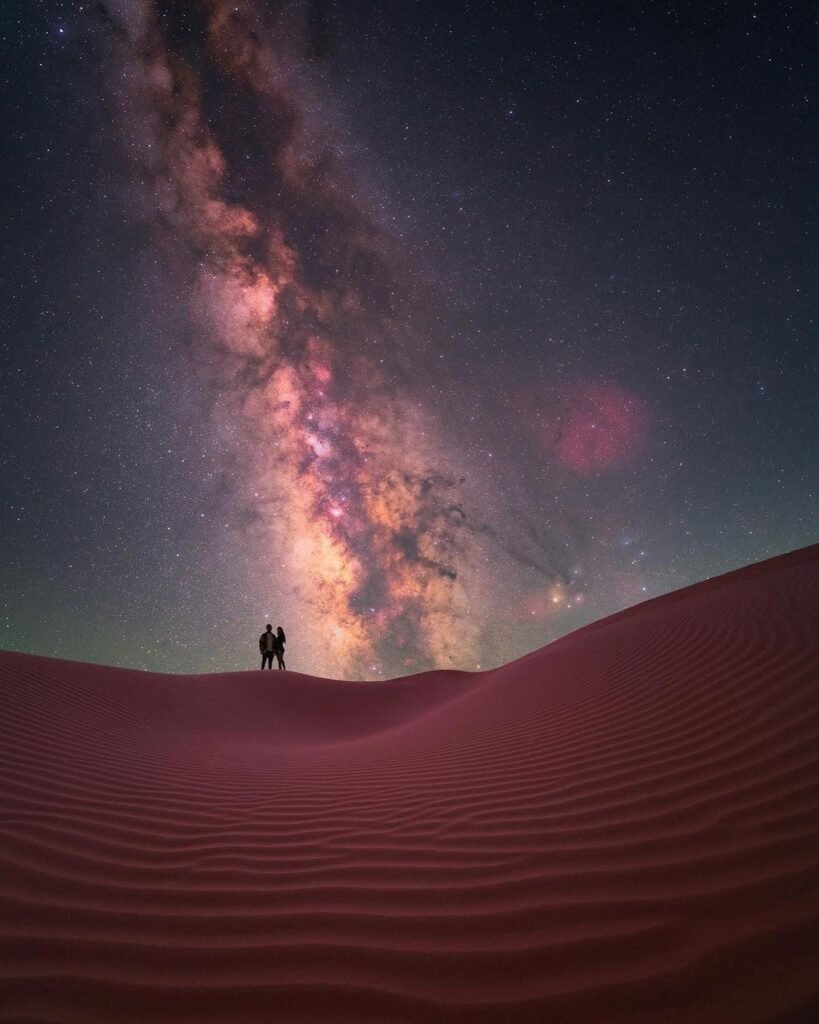
You can’t visit Morocco on a photography trip and not stop by the Sahara Desert. Morocco desert photography is one-of-a-kind, with high atmospheric clarity and little light pollution, giving it some of the clearest skies at night. It’s worth spending a full day in the Sahara to see how light changes your compositions, while experimenting with different lenses to capture the scale of the sand dunes. The Erg Chebbi Dunes are the most recognizable part of the Sahara with their 150-meter-tall dunes. Just 7 km from Merzouga, it’s worth stopping by the Khamlia Village to capture candid photographs of everyday life in the desert. Camel caravans should be on your shot list, while the desert camps themselves make excellent focal points for images. There’s no “best” time to capture photographs of the Sahara, as you’ll be treated to different visual experiences throughout the day. The golden hours, just after sunrise and just before sunset, offer a chance to experiment with light and capture the rugged textures of the sand dunes. Night sky photography is what makes the Sahara unique, but don’t forget to capture the desert during “blue hour”. The 30-minute window before sunrise and after sunset will cast a cool blue glow over the sand.
Photography Tips for the Sahara Desert
Most photographers will want to avoid shooting in the Sahara at midday as the lighting creates an unpleasant contrast and the heat can damage your equipment. Weather covers are a must-have for expensive equipment, along with a coarse brush to remove sand from your camera lens to prevent scratching. Pay attention to the histogram of your camera for a balanced shot and set your ISO to 100 with an aperture of f/8 or f/11 to ensure the sharpness of your images. Switch between wide-angle and telephoto lenses to get dramatic photographs with different perspectives.
Chefchaouen Photography: Capturing Morocco’s Blue Pearl
Chefchaouen photography puts Morocco’s mountain backdrop into center stage with its monochromatic blue streets. It’s an ideal spot for novice photographers who don’t want to be overwhelmed by the vastness of the Sahara. It’s important to remember that the locals value their privacy, and it’s expected to tip or thank any market stall owners that you photograph. Having a local guide can make it easier to navigate the social etiquette and the language barrier if you want to capture individual portraits or candid photography. The medina staircases and Kasbah areas are some of the most popular photography spots in Chefchaouen. If you want to avoid crowds in your Chefchaouen photography, it’s best to shoot in the early morning and visit during the shoulder season. A tour guide can also help you plan alternative routes to photograph less crowded areas of the medina. While it’s easy to get distracted by Chefchaouen’s famous blue streets, don’t forget to capture photos of the local artisans and the mountain scenery around the town.
Marrakech Photography: Morocco’s Red City
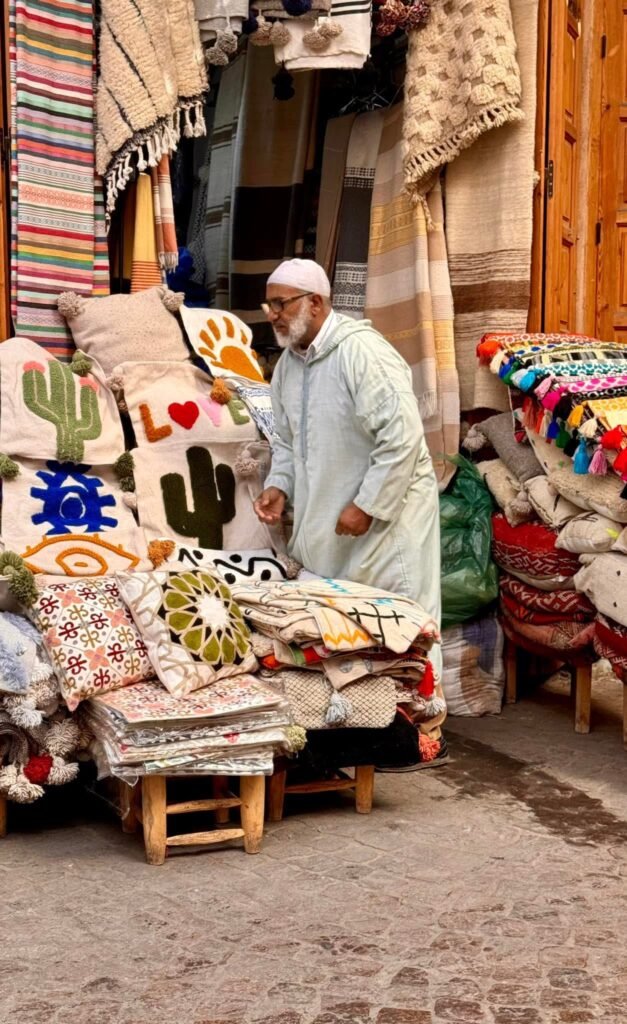
Marrakech has no shortage of photography spots, from its traditional riads to the Bahia Palace and the rooftop terraces. Jemaa el-Fnaa, the city’s historic center, and the viewpoints of the Koutoubia Mosque are worth visiting early for the best photo opportunities. The Medina offers a variety of photo backdrops, from the hustle and bustle of the markets to the everyday scenes caught in doorways. You’ll find some of Morocco’s best street photography in Marrakech, where you’ll want to focus on capturing the atmosphere, rather than just the crowds. It’s important to always follow respectful photography practices, including asking for permission before taking portrait photos of individuals or up-close pictures of market stalls. The best time of day to take photos in Marrakech will depend on your focus. The medina is best shot in the early morning, while the rooftops offer a mesmerizing view at golden hour. Evening time is when you’ll get the most unique scenes at Marrakech’s markets.
Best Seasons for Photography in Morocco
The best seasons for photography largely align with the best time to visit Morocco. Spring is ideal for capturing landscapes and mountains with its comfortable travel conditions, while the warmer summer months are best suited for coastal photography, although early morning shoots are necessary for avoiding the hottest midday temperatures. The autumn months of September to November offer balanced weather, making it ideal for desert photography as you’ll get natural warmth for your photos. By comparison, the winter months of December to February see fewer crowds, giving you atmospheric city scenes and the natural beauty of snow-capped mountains.
Essential Tips for Photographers Visiting Morocco
Preparation is key when you’re planning to take a photography tour of Morocco. Doing your research and preparing accordingly will help you avoid making the most common mistakes when taking photographs in Morocco. Respecting the local culture is one of the most important things for every tourist to be mindful of. Make sure to dress modestly when visiting religious sites and always ask permission when taking portrait photos and multiple pictures of a small business or market stall. Golden hour – and “blue hour”, which comes before it – drastically change the light over Morocco, making the landscape appear differently through your lens. Plan to take most of your photographs around golden hour and make sure you find the best spot early, especially when photographing popular sites. Photographers also have to navigate the diverse conditions in Morocco, from the humid city environments to the desert dust. Make sure your photography kit is prepared for everything that Morocco might throw at you. One of the most important tips for photographers visiting Morocco is to slow down and observe what’s happening around you. Take photographs of the leatherwork and textile artisans at work and capture the local customs and everyday life. Experience each destination to the fullest and take advice from local guides, as they’ll help you put storytelling at the heart of your photography.
Suggested Itinerary for Photography Tours in Morocco
At Inner Morocco, we offer a variety of private tours designed specifically for novice and professional photographers alike. Below, we’re spotlighting our 8-day photography tour.
- Day 1: Arrive in Casablanca
- Day 2: Casablanca – Meknes – Fez
- Day 3: Fes Guided Tour
- Day 4: Fes – Ifran – Midlet – Merzouga
- Day 5: Merzouga – Dades Valley – Skoura – Ouarzazate
- Day 6: Ouarzazate – Ait Benhaddou – Marrakech
- Day 7: Marrakech guided tour
- Day 8: Marrakech departure
Our photography tours can be customized to include a variety of activities that reflect your interests. You can also have the freedom to explore Morocco at your own pace with no fixed schedule, whether you’re heading off on a solo journey or celebrating a special occasion. Request a quote for a photography tour of Morocco today.
Common Mistakes Photographers Make in Morocco
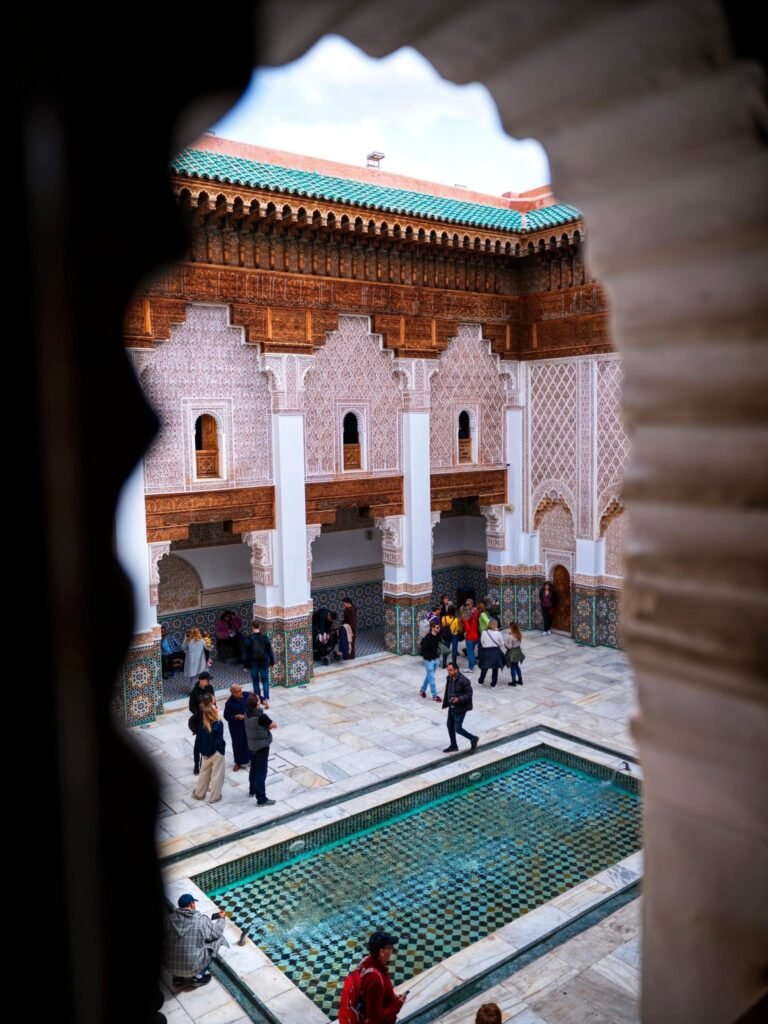
It’s easy to feel overwhelmed when you’re planning a photography tour of Morocco, whether you’re a novice or a professional photographer. One of the most common mistakes that tourists make is only photographing famous landmarks and overlooking the everyday scenes that show the real side of Morocco. Local details and human stories will add depth to your Morocco photos. If you’re on a shorter itinerary, it’s easy to feel like you need to make the most of every moment for shooting photographs. Midday conditions are some of the most difficult for outdoor photography. Instead, use this time to take photographs of interiors or cultural sites. At Inner Morocco, our photography tours focus on giving you a deeper understanding of the areas you’re visiting to help you capture more impactful imagery. Take your time to learn the story of the images you’re shooting. First-time visitors to Morocco often make the mistake of forgetting how the weather and the seasons can change their photography experience. Morocco’s desert, mountains, and coastal regions behave differently in the summer heat than in the winter sun and from sunrise to sunset.
Capture the Many Faces of Morocco with an Inner Morocco Photography Tour
Bring your Pinterest vision board to life and capture photographs that you simply can’t take anywhere else. Morocco is a photographer’s paradise and offers something for everyone, whether you’re a nature photographer with a love for hiking or a history enthusiast who wants to capture the medinas at golden hour.
The diversity of experiences on offer makes Morocco a destination that photographers will want to return to through every season. At Inner Morocco, our photography tours help you capture everyday life in Chefchaouen and Marrakech before discovering the magic of the Sahara through your camera lens. Start planning your dream getaway to Morocco by exploring our photography tours or by contacting our team for a customized itinerary that combines photography opportunities with adventure and culture.
Frequently Asked Questions for Morocco Photography Tours
What is the best photography location in Morocco?
Chefchaouen and the Sahara Desert are the most popular photography locations in Morocco, but there are a variety of locations to suit every photographer’s style, including the Atlas Mountains, Essaouira, and Fes.
When is the best time to photograph the Sahara Desert?
October to April is considered the perfect time to photograph the Sahara Desert, as you’ll have the best chance to capture the desert glow and the changing colors of the sand dunes.
Is Chefchaouen worth visiting for photography?
Chefchaouen, known as the “Blue Pearl” of Morocco, is one of the most popular photography spots with its blue-washed alleyways, dramatic mountain backdrop, and winding streets.
Can you do street photography in Morocco?
Although street photography is permitted in Morocco, it’s important to be respectful when taking photographs of public spaces. Areas like Casablanca are best suited for street photography, and always ask permission when taking photos of people or market stalls.
What camera gear should I bring to Morocco?
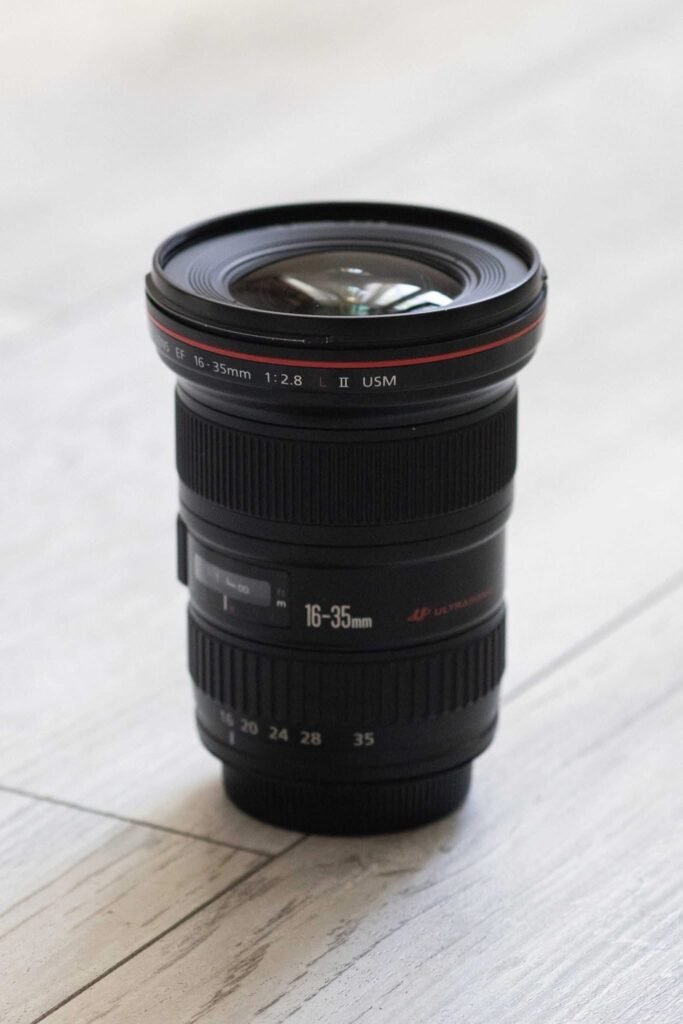
A compact mirrorless camera is ideal for bringing on a photography tour of Morocco. A mid-range zoom lens will work for most shots, but a wider lens of 16 – 35mm is ideal to have for Sahara photos.
Is Morocco good for landscape photography?
Morocco is one of the world’s best destinations for landscape photography. It offers the dramatic contrast of Atlantic coastlines with the golden dunes of the Sahara and the dramatic peaks of the Atlas Mountains.
How many days do photographers need in Morocco?
The perfect timeline for a Morocco photography tour will depend on how many locations you’re visiting. 3 to 5 days will cover a single city, while 10 days is long enough to visit the main highlights. We offer both 8- and 14-day photography tours of Morocco.
Which Moroccan city is best for photography?
Chefchaouen is the most popular city in Morocco for photography tours, while Marrakech and Essaouira are also popular for street photography.
Customized Travel Experiences Just for You
- Create your dream getaway with us! Whether you prefer luxurious five-star hotels or charming boutique stays, we have the perfect options for you.
- You can design your itinerary with various activities, from iconic highlights to hidden gems, ensuring your journey reflects your interests. Enjoy the freedom of exploring at your own pace with no fixed schedules.
- Whether you’re celebrating a special occasion or embarking on a personal adventure, we’ll collaborate with you to curate a truly memorable trip.